1. Key Findings and Strategic Direction
Known as the "artificial sun," this fifth-generation lighting technology offers a high CRI of Ra97, no flicker, a long lifespan (50,000 hours), and enormous luminous efficacy potential.
It holds irreplaceable advantages in scenarios demanding extremely high light quality, such as solar simulation, plant factories, high-end commercial spaces, and museum lighting.
Technical barriers are high. The market is still in its introduction phase, dominated by a few core players, and the competitive landscape has not yet solidified.
In the short term, it faces challenges of higher cost and larger size; in the long term, it will benefit from emerging niche demand and continuous technological iteration that reduces costs.
Target Niche Markets Precisely
Rather than blindly pursuing full-scale expansion, prioritize niche markets that demand stringent light quality and are relatively less price-sensitive, quickly establishing benchmark cases and building brand momentum.
Commit to Continuous Innovation
Continuously invest in R&D, driving products toward miniaturization, modularization, and intelligence, gradually reducing production costs and addressing current pain points in size and cost.
Build an Upstream-Downstream Ecosystem
Establish close strategic partnerships with upstream and downstream players in chips, optics, and end applications to jointly develop competitive total solutions and achieve win-win outcomes.
2. What Is LEP Technology?
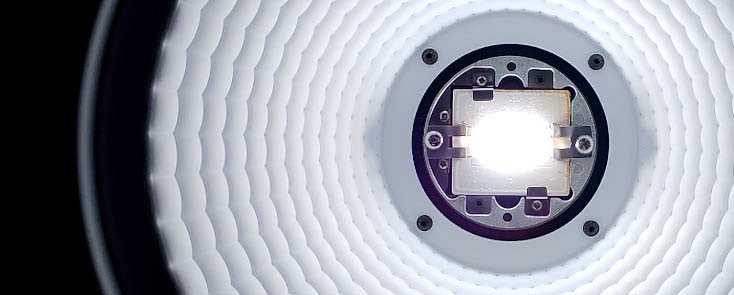
Light Emitting Plasma (LEP) is a novel light source technology based on the principle of microwave discharge. It uses microwave energy to excite a special gas mixture inside a bulb, ionizing it into plasma and thereby producing continuous-spectrum white light with high intensity, high color temperature, and high color rendering.
LEP is regarded as the fifth-generation lighting technology after incandescent, fluorescent, HID, and LED lamps, representing the lighting industry's development direction toward higher light quality and closer natural light sources.
Plasma light source technology originated in the United States and has nearly 30 years of development history. Currently, only a very limited number of companies worldwide ( no more than three ) possess this core technology, forming a highly concentrated technological landscape.
3. LEP Principle and Structure
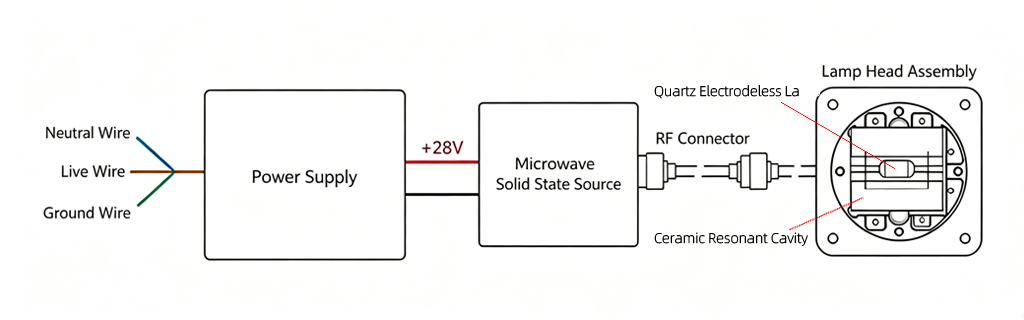
1. Energy input → 2. Microwave generation → 3. Energy focusing → 4. Gas ionization → 5. Spectral radiation
Power supply → solid-state source converts to high-frequency microwaves → ceramic resonant cavity focuses → excites gas inside the bulb to form plasma → activates metal halides to release a continuous spectrum.
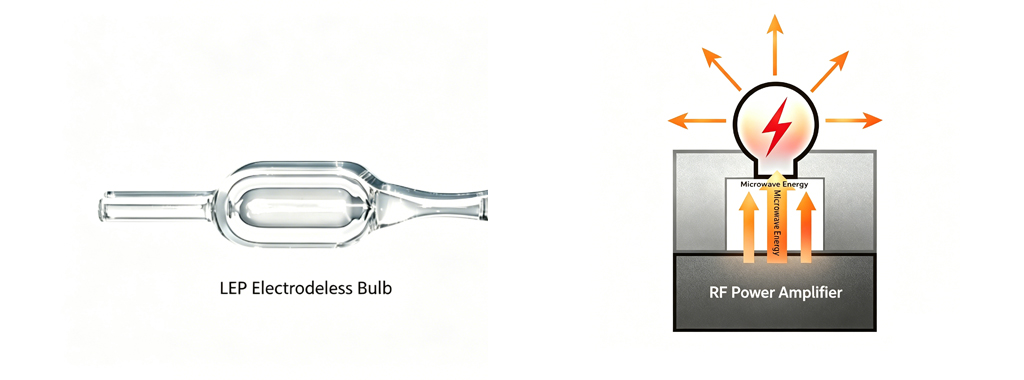
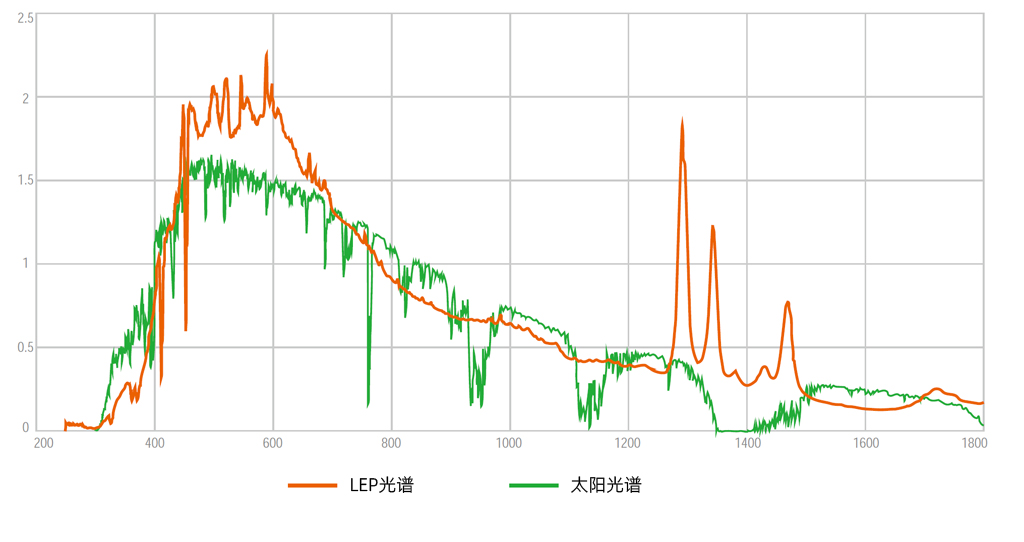
The LEP light source is the world's first true full-spectrum light source. Its visible spectrum (red, green, and blue wavelengths) matches the solar spectrum very closely in both proportion and quality. However, visible light accounts for only 70% of LEP's radiant flux; the other 30% is invisible light (ultraviolet and infrared) that plays an important role.
Therefore, traditional metrics that only count visible-light luminous flux and luminous efficacy are no longer sufficient to correctly evaluate the radiant flux and performance of this new-generation lighting technology. Visible and invisible light require different measurement methods, units, and calculation frameworks, and there is even no direct correspondence between them, making conversion extremely complex.
To simplify the evaluation of LEP light energy efficiency, Zhongke Microwave has proposed a simple estimation method based on the relatively stable proportion of visible light in LEP's full-spectrum output (for reference only, not a standard, applicable only to this series):
Light Energy Efficiency = Luminous Efficacy ÷ 70%
4. Core Advantages of LEP
LEP Core Advantage Dimensions
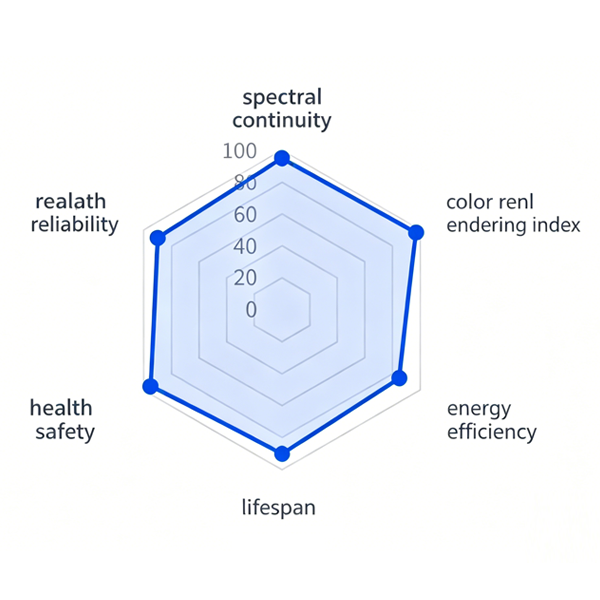
Key Performance Highlights
- Continuous full spectrum: Covers 280–2500 nm, perfectly mimicking sunlight and restoring a natural light feel.
- High color rendering index: CRI up to Ra97, most faithfully reproducing the natural colors of objects.
- Sunlight matching: The red-to-blue ratio closely matches sunlight, making illumination more comfortable.
- Spectrum customization: Specific spectra and color temperatures can be flexibly customized for different scenarios.
- High energy efficiency: Electrical-to-optical conversion rate of 60%–85%, greatly reducing energy consumption while delivering high luminous efficacy.
- Ultra-high brightness output: Tens of thousands of lumens can be achieved in a very small volume, yielding extremely high luminous efficacy per unit volume.
- Ultra-long service life: With an electrodeless design, luminous efficacy remains above 80% even after 50,000 hours of use.
- Industrial-grade reliability: Withstands temperatures up to 1100°C and achieves IP68 protection, adapting to harsh environments.
- Deep flicker-free: Operating frequency up to 440 MHz, far exceeding industry flicker-free standards, avoiding visual fatigue at the source.
- Comprehensive photobiological safety: Fully avoids potential risks from blue light, UV, and infrared, protecting eye and skin health.
- Ultra-low microwave radiation: Microwave leakage radiation is only 0.05% of the national standard limit, achieving top-tier safety.
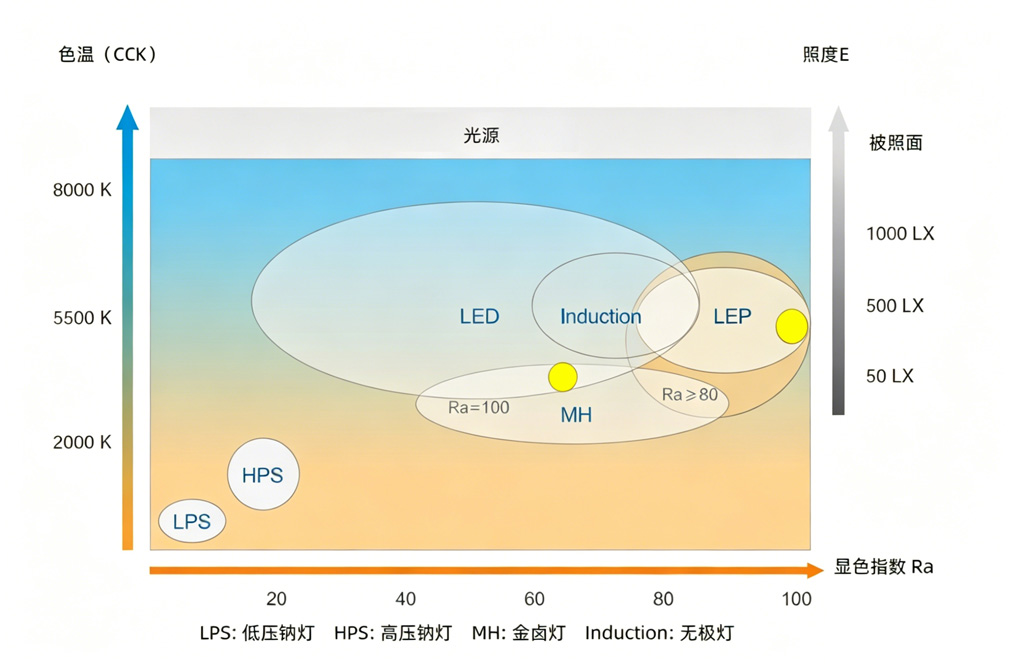
5. LEP vs. LED vs. Sunlight
| Core Metric | Sunlight (AM1.5G Standard) | LEP (Microwave Plasma Light Source) | LED (High-End Full Spectrum) |
|---|---|---|---|
| Spectral Range | 290–2500 nm (continuous full spectrum) | 290–1800 nm (continuous, no gaps) | 380–780 nm (multi-chip assembly, UV/IR missing) |
| Spectral Match (vs. sunlight) | 100% (baseline) | ≥97% (IEC 3A class, deviation <3%) | 70%–85% (obvious blue-light spikes) |
| Color Rendering Index Ra | Ra≈100 (natural baseline) | Ra95–Ra97 (ultra-high CRI) | Ra80–Ra90 (up to Ra95 at high end) |
| Correlated Color Temperature | 5500K (noon standard) | 5000K–6500K (adjustable, close to daylight) | 2700K–6500K (adjustable, cool/warm bias) |
| Service Life | — (natural source) | ≥50,000 hours (lumen depreciation <20%) | 30,000–40,000 hours (obvious depreciation) |
| Illuminance at 10 m Center (same power) | — | ≈4400 lux (13.9W) | ≈680 lux (10.3W) |
| Flicker Depth | 0 (flicker-free) | 0 (electrodeless plasma, flicker-free) | 5%–30% (limited by driver circuit) |
| IR/UV Proportion | IR≈52%, UV≈7% | IR≈23%, UV≈6% (high match) | IR≈0%, UV≈0% (almost no IR/UV) |
| Luminous Efficacy (lm/W) | — | 80–100 lm/W | 100–150 lm/W |
As nature's most perfect light source, sunlight's continuous full spectrum and zero flicker are the ultimate goals pursued by all artificial lighting technologies.
In core dimensions such as spectral continuity, color rendering index, and photobiological safety, LEP is currently the artificial light source closest to sunlight, with irreplaceable advantages in high-end scenarios.
With a mature supply chain and high efficiency, LED holds advantages in cost and penetration, but there is a clear gap in light quality compared with natural light and LEP.
The emergence of LEP fills the market gap for "high-quality lighting close to natural light," providing a brand-new solution for scenarios with the most demanding light quality requirements.
6. Application Fields and Scenarios
Solar Simulation
Meets the requirements of the highest-class solar simulators with a spectrum close to natural light, suitable for various demanding scientific research and testing scenarios.
Plant Factories
Provides full-spectrum, high-efficacy, uniform illumination that effectively promotes photosynthesis, supporting precision agriculture and efficient cultivation.
Museum Lighting
With ultra-high color rendering, it faithfully reproduces the true colors of artworks while providing low-heat, low-UV protective characteristics.
High-End Commercial Lighting
Flexible light distribution solutions effectively highlight product texture and details, enhancing display effects and helping build a high-end brand image.
Health Lighting
Dynamically simulates the rhythmic changes of natural light, helping regulate the human biological clock, relieving visual fatigue, and improving mood and physical and mental health.
Harsh-Environment Lighting
With extremely strong structural stability and durability, it adapts to complex industrial and outdoor environments such as high temperature, high humidity, and strong vibration.
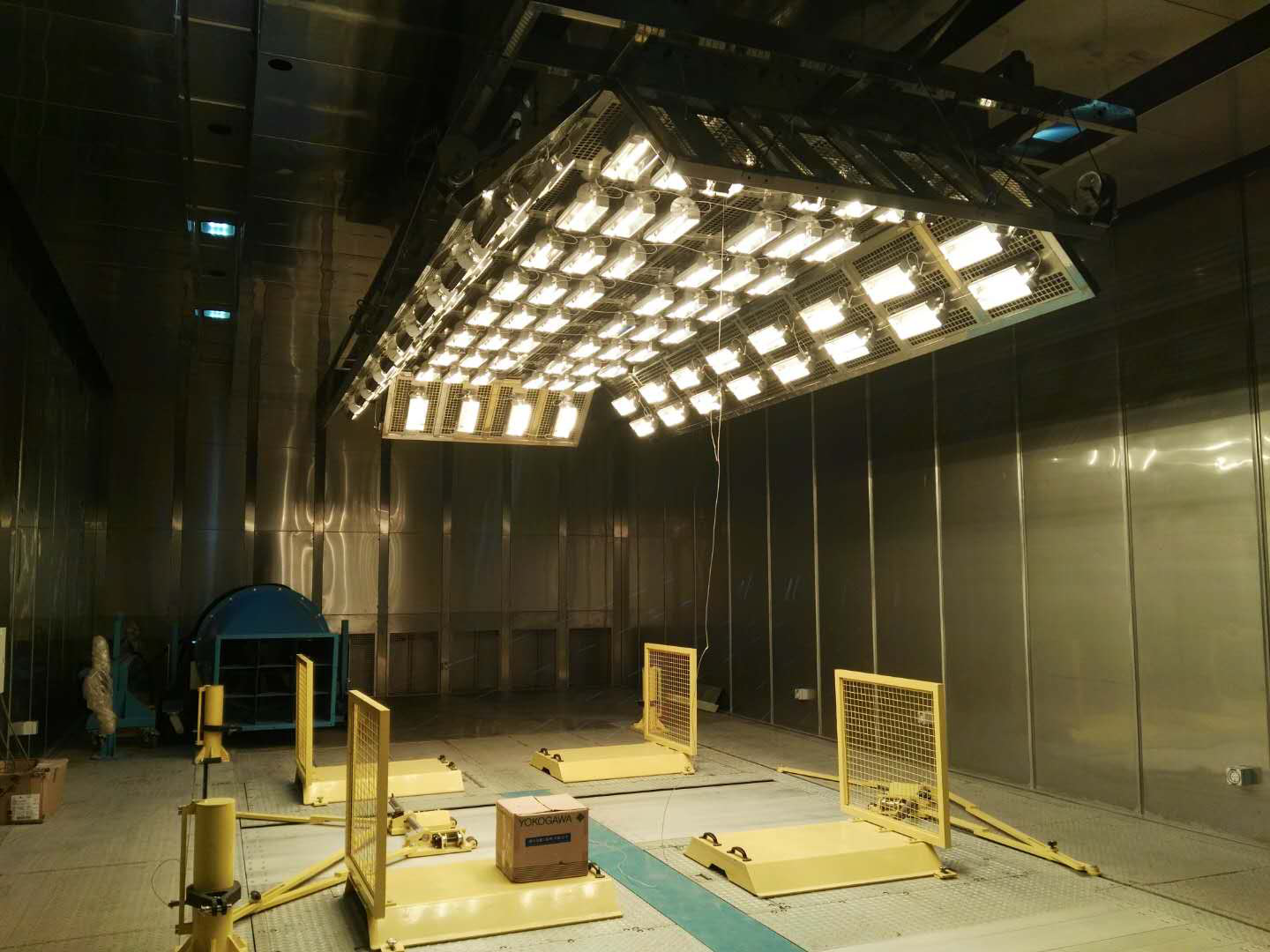
Solar Simulation
Precisely simulates sunlight in the laboratory for solar cell testing, material aging tests, and more. LEP's high spectral match and stability meet the highest-level requirements.
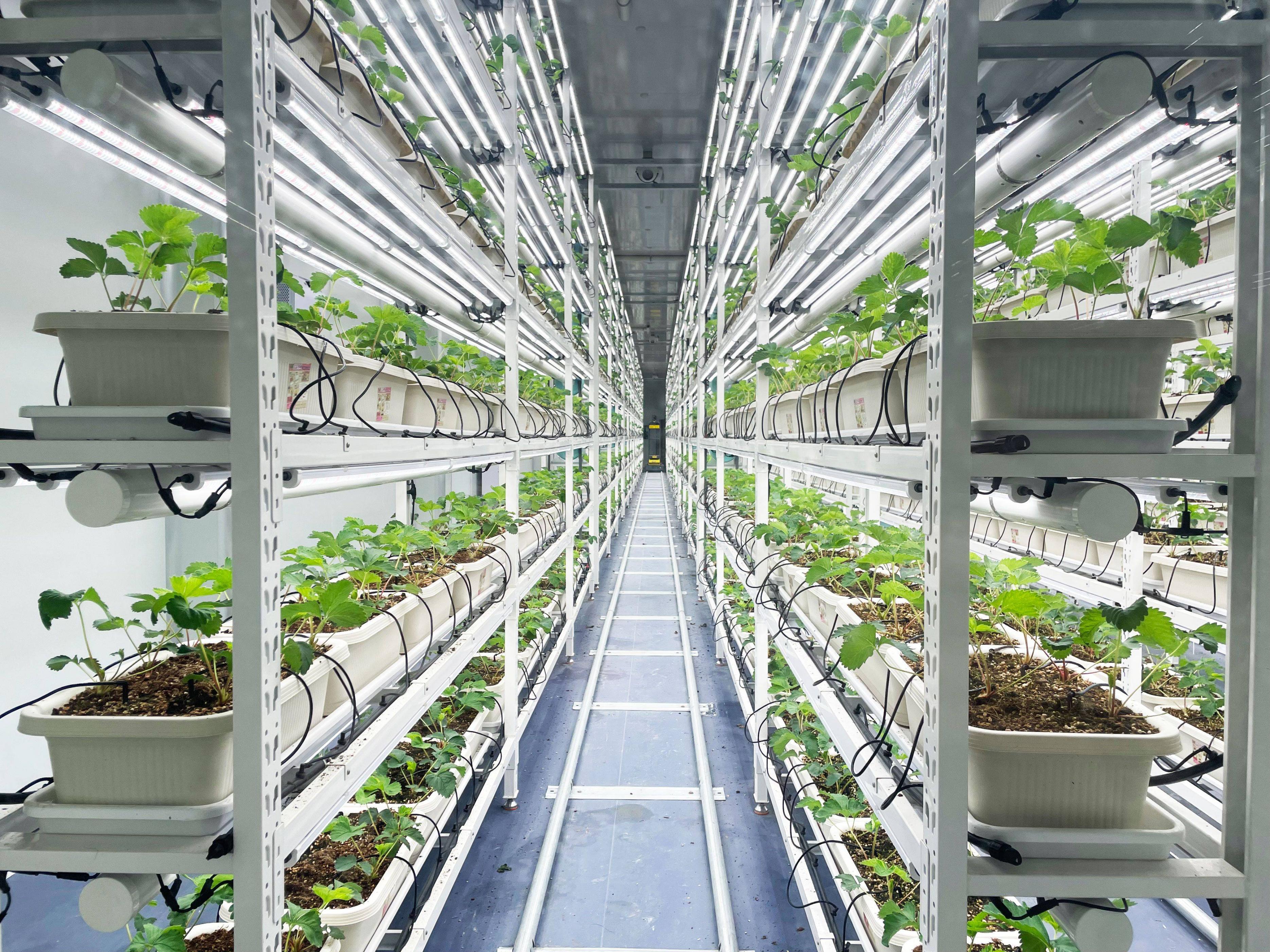
Plant Factories
Provides the optimal lighting environment for plants, promoting growth and increasing yield. Full-spectrum coverage and high photosynthetically active radiation are its core advantages.
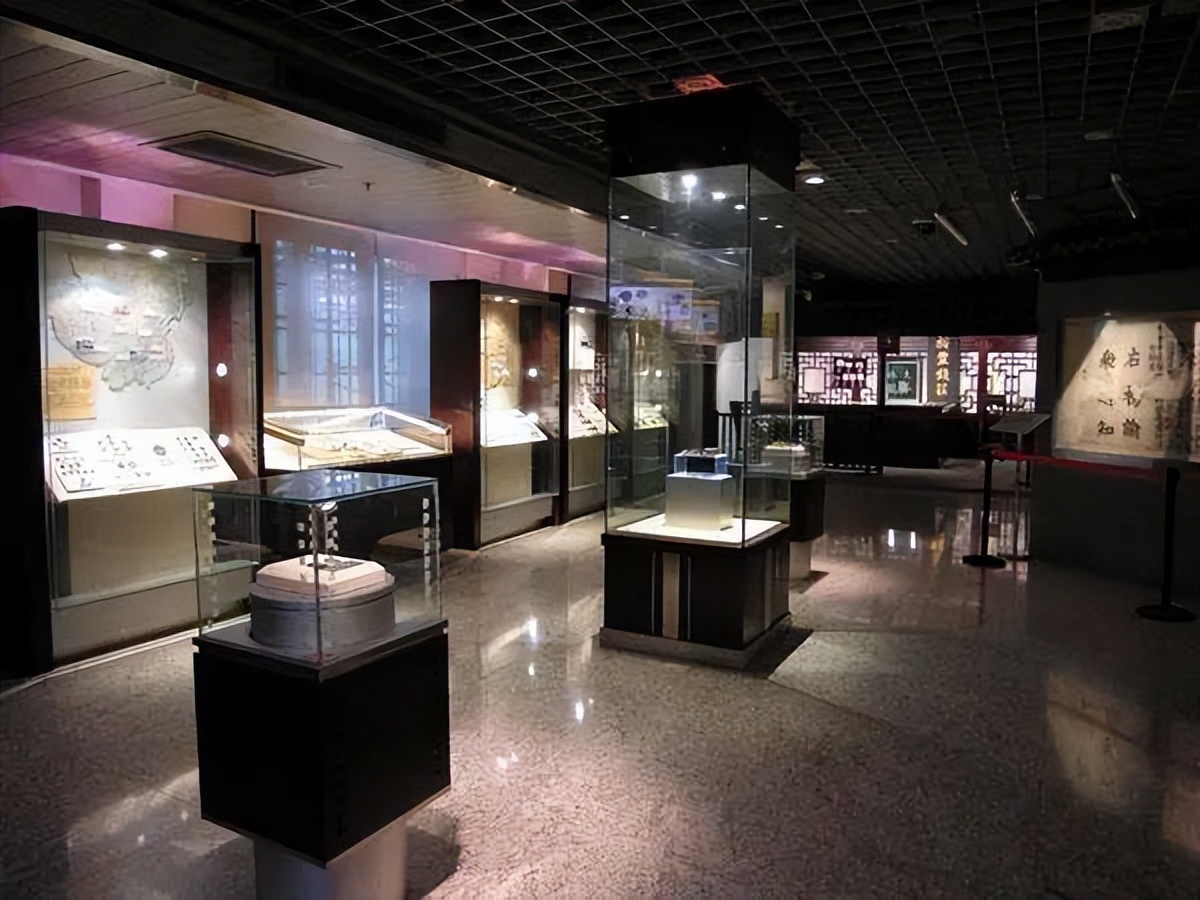
Museum Lighting
Faithfully reproduces the colors of artworks while avoiding light damage. Ra97 ultra-high color rendering and photobiological safety are key.
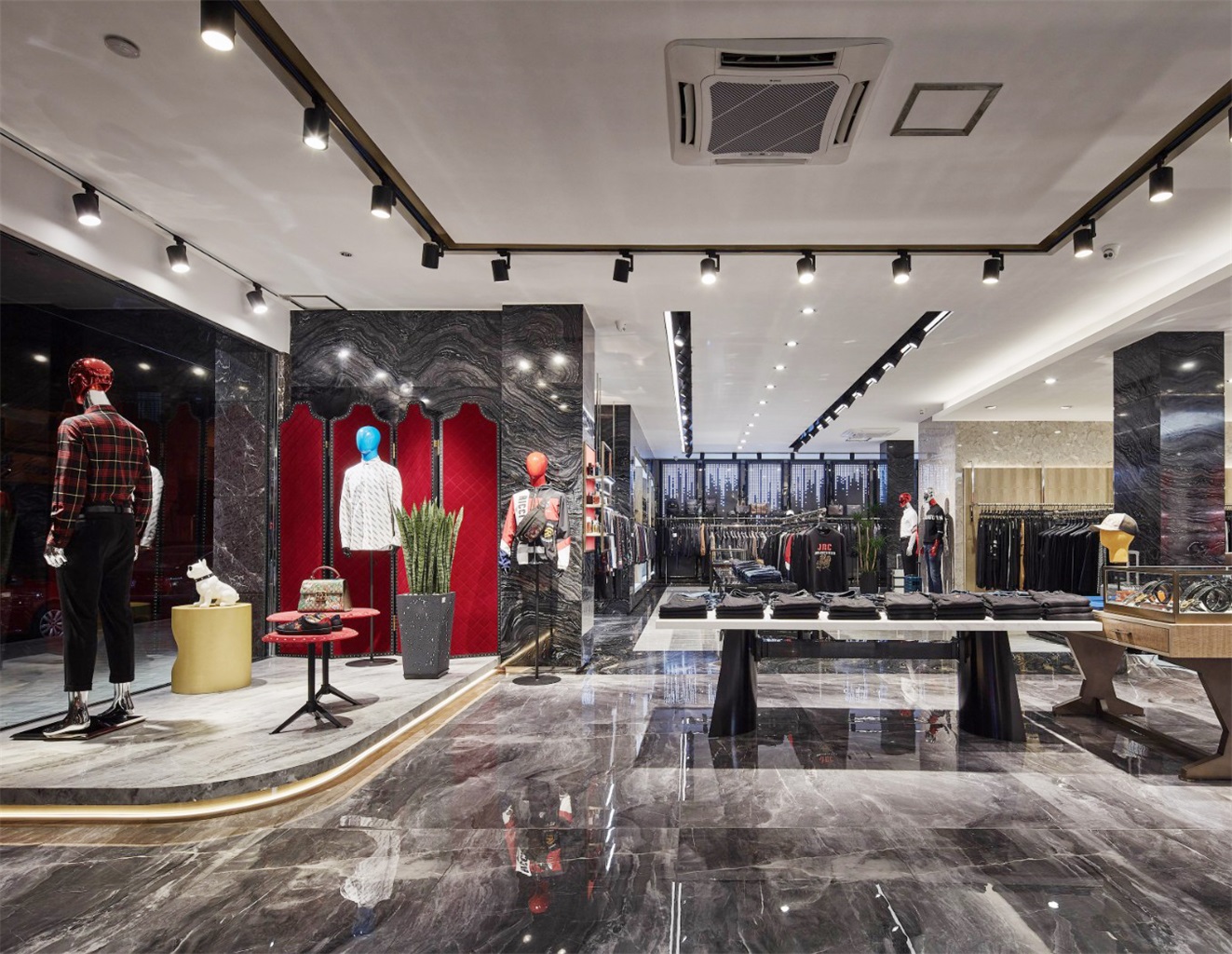
High-End Commercial Lighting
In high-end brand flagship stores, LEP's ultra-high color rendering enhances product texture and appeal, restoring true colors and creating a unique immersive shopping experience.

Health Lighting
In offices, hospitals, and other venues, LEP lighting solutions that simulate dynamic natural light help regulate the biological clock, relieve visual fatigue, and improve mood.
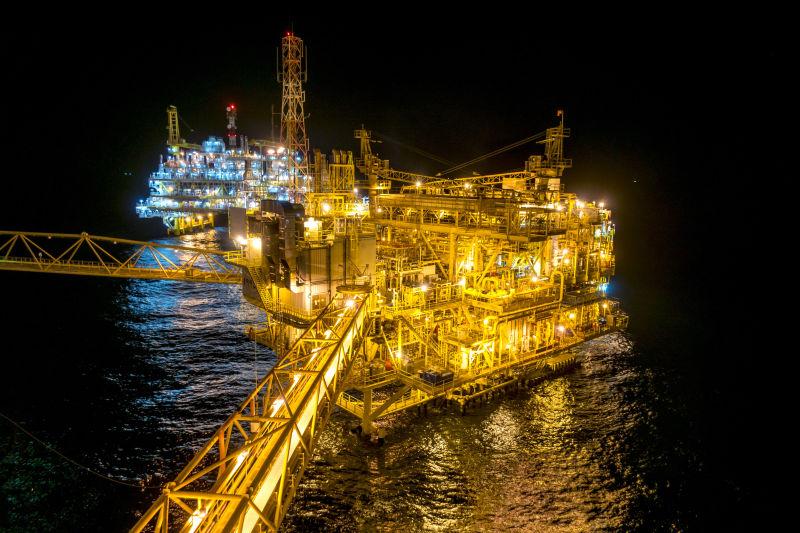
Harsh-Environment Lighting
In special locations such as offshore platforms and port terminals, LEP ensures stable operation thanks to its outstanding reliability, high/low temperature resistance, and high protection rating (IP68).
7. Market Trends
Market Stage: Early Commercialization
The industry is still in its early commercialization phase, with high technical barriers and product costs that have not yet fallen to the level of mass adoption.
Explosive Growth Expected (5–10 Years)
With the rapid decline in technology costs and the expansion of application scenarios, the market will experience high-speed growth, with an estimated compound annual growth rate (CAGR) exceeding 30%.
Core Drivers:
- Consumer upgrading demand for health and high-quality lighting
- Rapid development of plant factories and precision agriculture
- Demand for solar spectrum simulation in research and high-end manufacturing
Global LEP Market Size Forecast, Next Five Years (USD 100M)

Technology-Driven
Competition centers on core technical barriers such as microwave sources, resonant cavity design, and bulb formulations.
Application Customization
Providing differentiated, customized solutions for different industries and scenarios is the main competitive strategy.
Ecosystem Collaboration
Close cooperation with downstream luminaire manufacturers and system integrators is crucial.
Hefei Zhongke Microwave Technology Co., Ltd. (Zhongke Microwave)
One of the few companies worldwide capable of mass-producing LEP full-spectrum light sources, with deep technical accumulation, able to provide highly adaptable customized solutions, and holding significant advantages in the Chinese market.
VuBeam (USA)
A veteran American LEP technology R&D and manufacturing company with deep patent and technology accumulation. Leveraging its first-mover advantage, it enjoys extremely high brand awareness and recognition in high-end markets across Europe, the Americas, and the world.